Mauritius is small enough to drive across in half a day, but which coast you sleep on still shapes the whole trip. The north is convenient and social, the west is calm water and sunsets, the east is breezy and resort-heavy, and the south is dramatic and remote. None of them is wrong, but the wrong one for your trip will cost you time every single day.
North: Grand Baie and Pereybere
The most convenient base on the island. Restaurants, bars, supermarkets and the public bus network are all close together, so this is the easiest coast to manage without a car. It is also the busiest and least local-feeling stretch of coastline, built up with hotels, souvenir shops and boat touts along the main road. Good for first-timers, groups who want nightlife, and anyone who does not want to think about transport.
West: Flic en Flac and the Black River coast
The calmest water on the island and the best sunsets, since the sun sets directly into the lagoon here. Flic en Flac has a long public beach and enough restaurants to get by without a car, and it sits closest to Black River Gorges and Chamarel for day trips inland. Quieter than the north in the evenings, which suits couples and anyone prioritising the beach itself over nightlife.
East: Belle Mare and Trou d'Eau Douce
Windier than the other coasts, which is why this is where the big all-inclusive resorts cluster, mostly set back from public beaches on private stretches of sand. It is the closest base to Ile aux Cerfs, reachable by the short ferry crossing from Trou d'Eau Douce. Expect to rely on your hotel or taxis more here; public transport along this coast is thinner than the north or west.
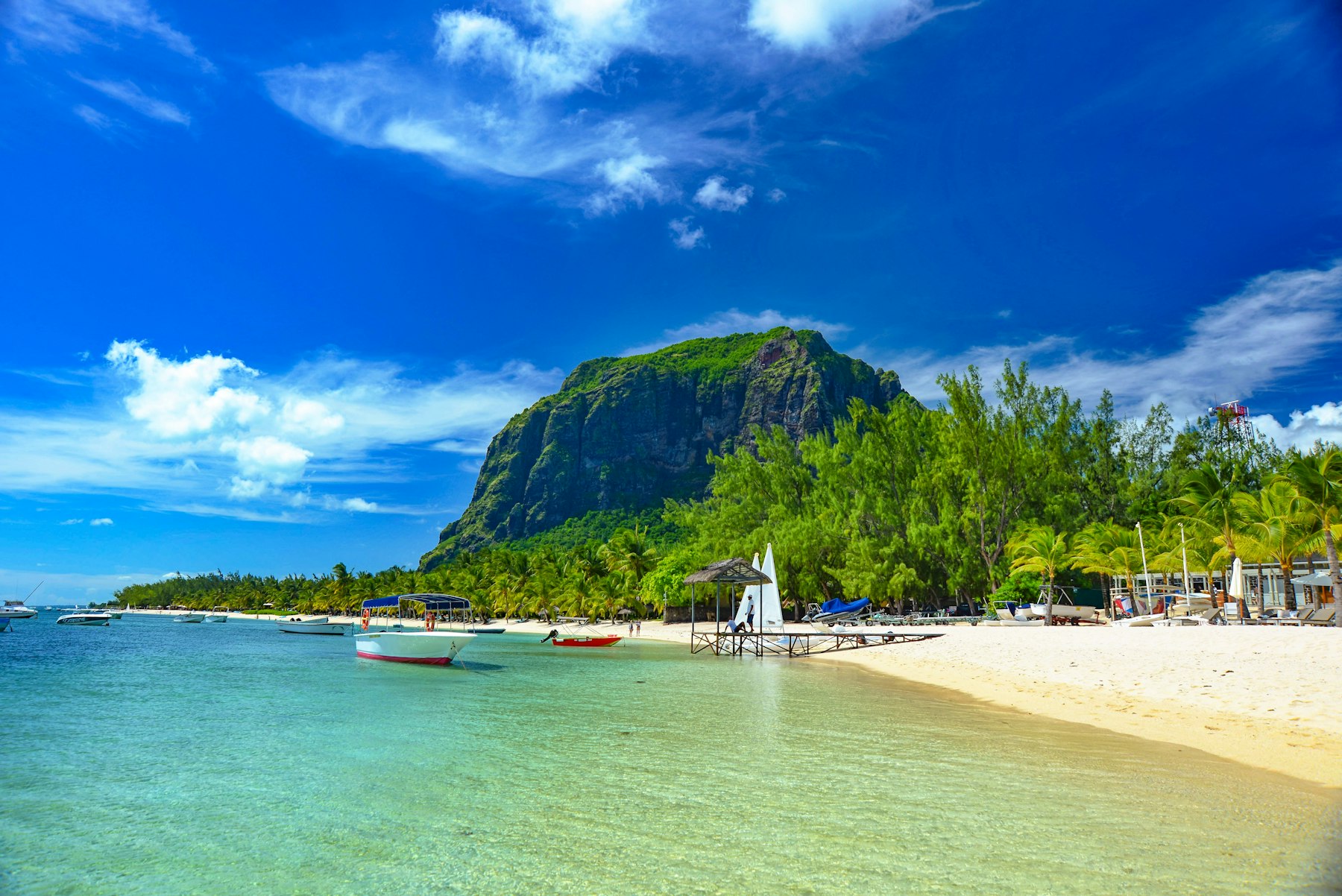
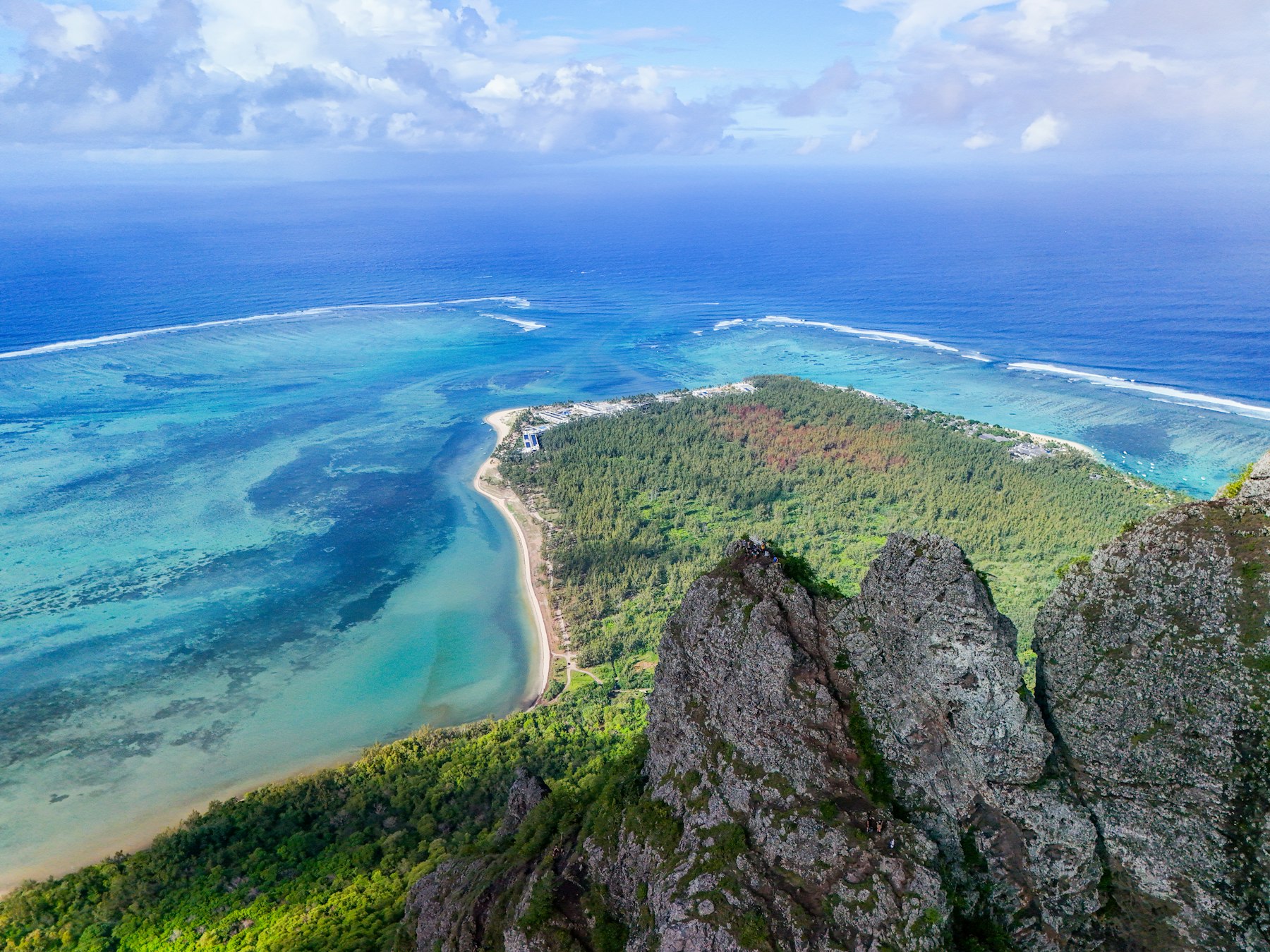
South: Le Morne and Bel Ombre
The most dramatic coastline on the island, dominated by the Le Morne peninsula, and the most remote. Fewer restaurants, fewer buses, and a longer drive from the airport (about 45 minutes) and from everything else. It suits travellers who want a quiet, scenery-led stay and do not mind being self-contained, or who are there specifically for kitesurfing on the lagoon.
What this means for planning
If you are not renting a car, the north and west are the easiest coasts to manage: both let you walk to dinner and both sit on routes the public bus network actually covers well. The east and south work better with a car or a realistic taxi budget, since you are relying on your hotel for most evenings.
For nightly prices by area, see our guide to where to stay, which breaks down real rates for the north, west and east coasts.