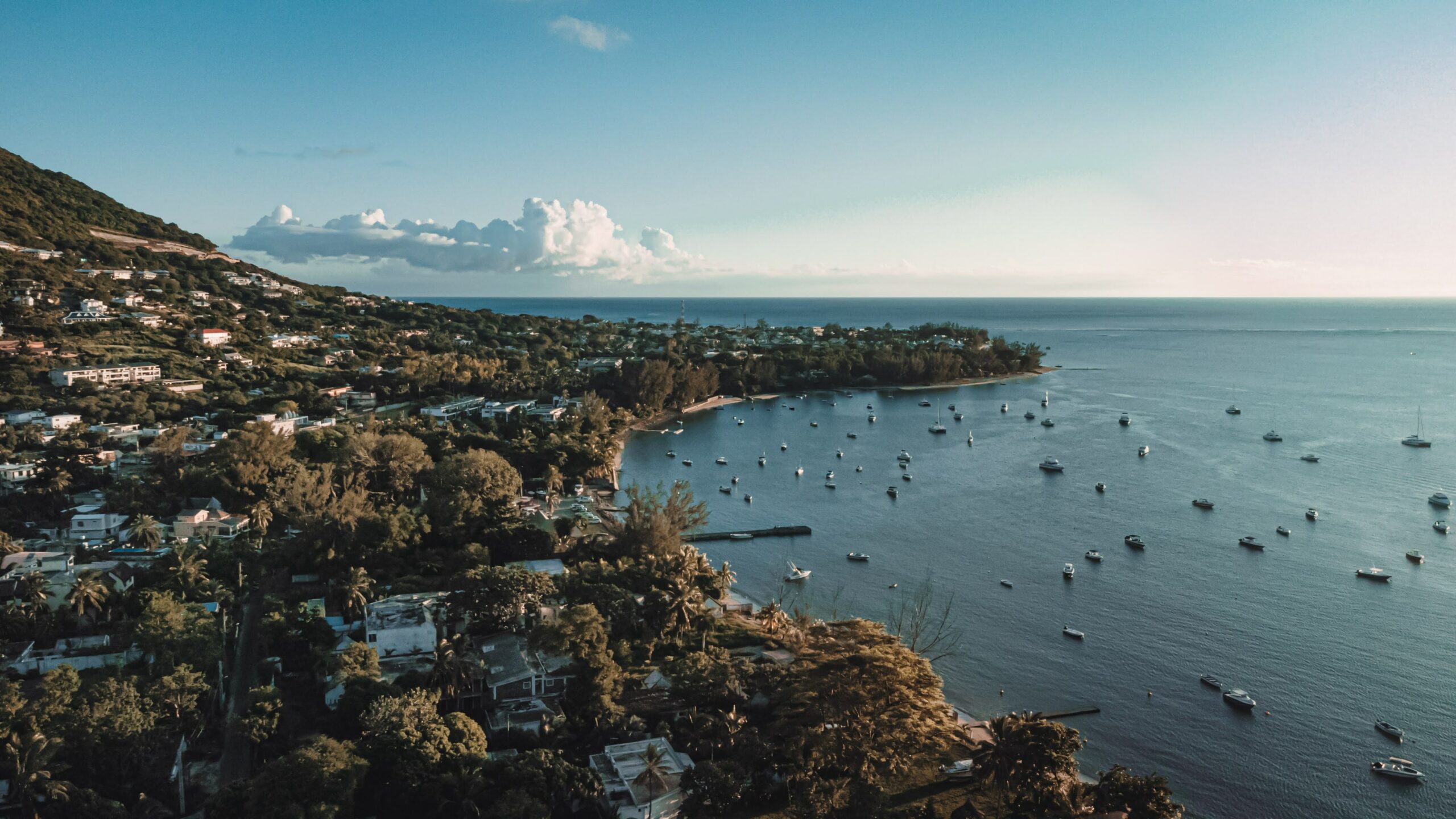
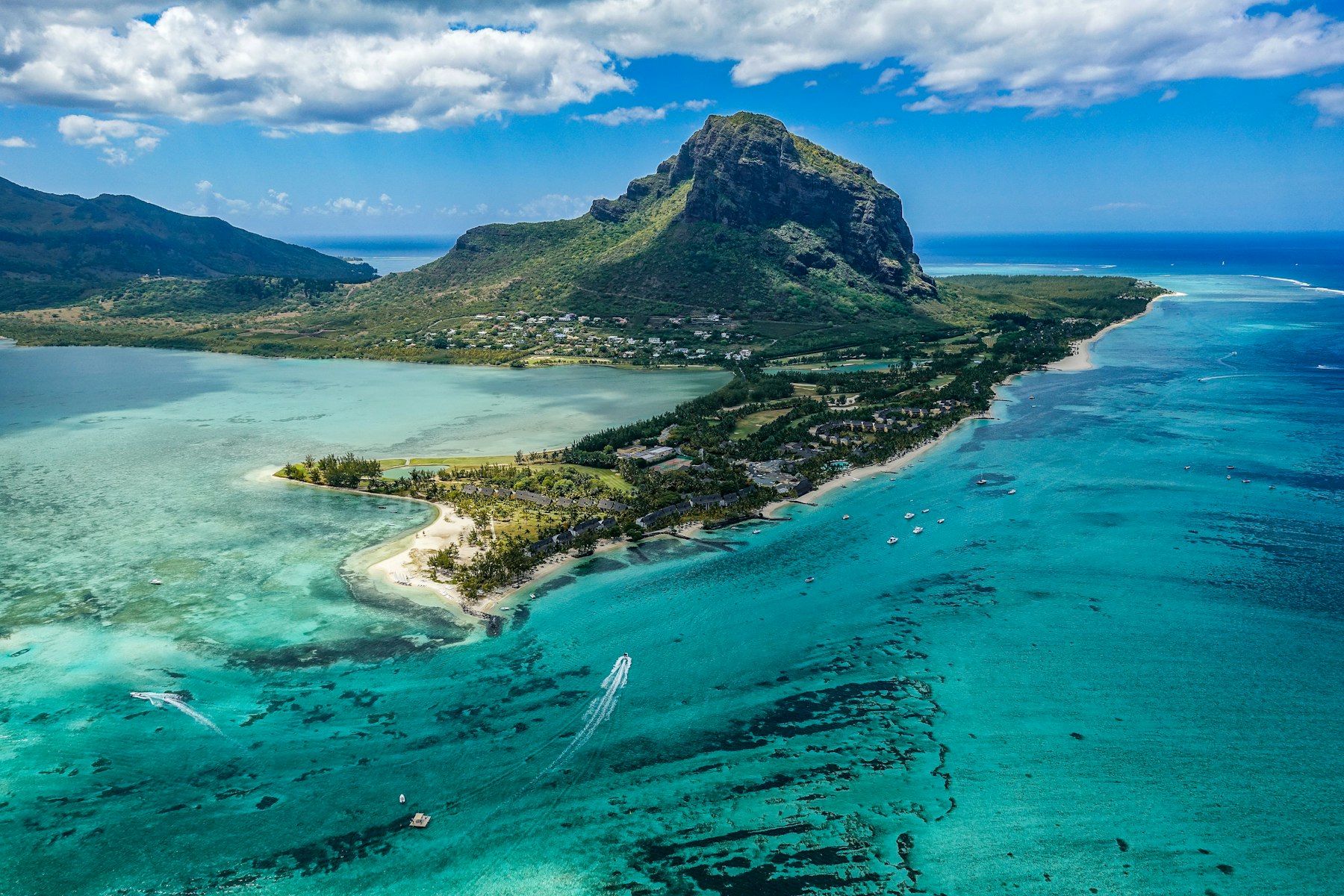
Mauritius has no season where the island shuts down, which is why so much travel advice says "year round" and stops there. That is not useful. Three separate things move through the year — heat and humidity, cyclone risk, and wind — and which months suit you depends on which of them you care about.
The short answer
May to June and September to early December. The sea is still warm, the humidity has dropped, the wind is manageable, and you are outside cyclone season. If you can only take one recommendation, take that one.
Summer: November to April
Hot and humid, with sea temperatures at their warmest. This is also cyclone season, with the real risk concentrated in January and February.
Cyclones are worth understanding rather than fearing. Mauritius has a well-drilled warning system with published class levels, and a direct hit is uncommon in any given year. What is common is a few days of heavy rain and rough seas that cancel boat trips and make hiking pointless. If you travel in January, build slack into your plans and take insurance seriously.
December is the busiest and most expensive month, driven by the local school holidays and the Christmas trade. Book well ahead or avoid it.
Winter: June to September
Cooler, drier and much less humid. Daytime temperatures are comfortable, evenings can be genuinely cool in the central plateau around Curepipe, which sits higher and gets noticeably more rain than the coast.
This is the best hiking window by a distance. It is also the windiest part of the year, which is excellent if you kitesurf and less so if you wanted a still afternoon on a lounger. July and August are the peak wind months.
By what you came for
- Swimming and lounging: September to December. Warm water, lighter wind, outside the worst of the humidity.
- Hiking: May to October. Cooler, drier, firmer ground.
- Kitesurfing and windsurfing: June to September, when the trades are strongest.
- Diving: November to March for the warmest water and best visibility, weather permitting.
- Avoiding crowds and prices: May, June and September.
The coasts do not share weather
This is the detail that catches people out. The east coast is windier year round. The west is the most sheltered and reliably calm. The central plateau is cooler and considerably wetter than anywhere on the coast. A rainy afternoon in Curepipe can be a clear one in Flic en Flac, twenty minutes away.
If a forecast looks bad, check it for the specific coast rather than for "Mauritius", and consider driving to the other side of the island instead of writing off the day.
Public holidays
Mauritius has a full calendar of Hindu, Christian, Muslim and Chinese holidays, and many move each year with the lunar calendar. Around the bigger ones, shops close, buses thin out and beaches fill with local families. Worth checking the dates for your trip — not to avoid them, but so you are not surprised.