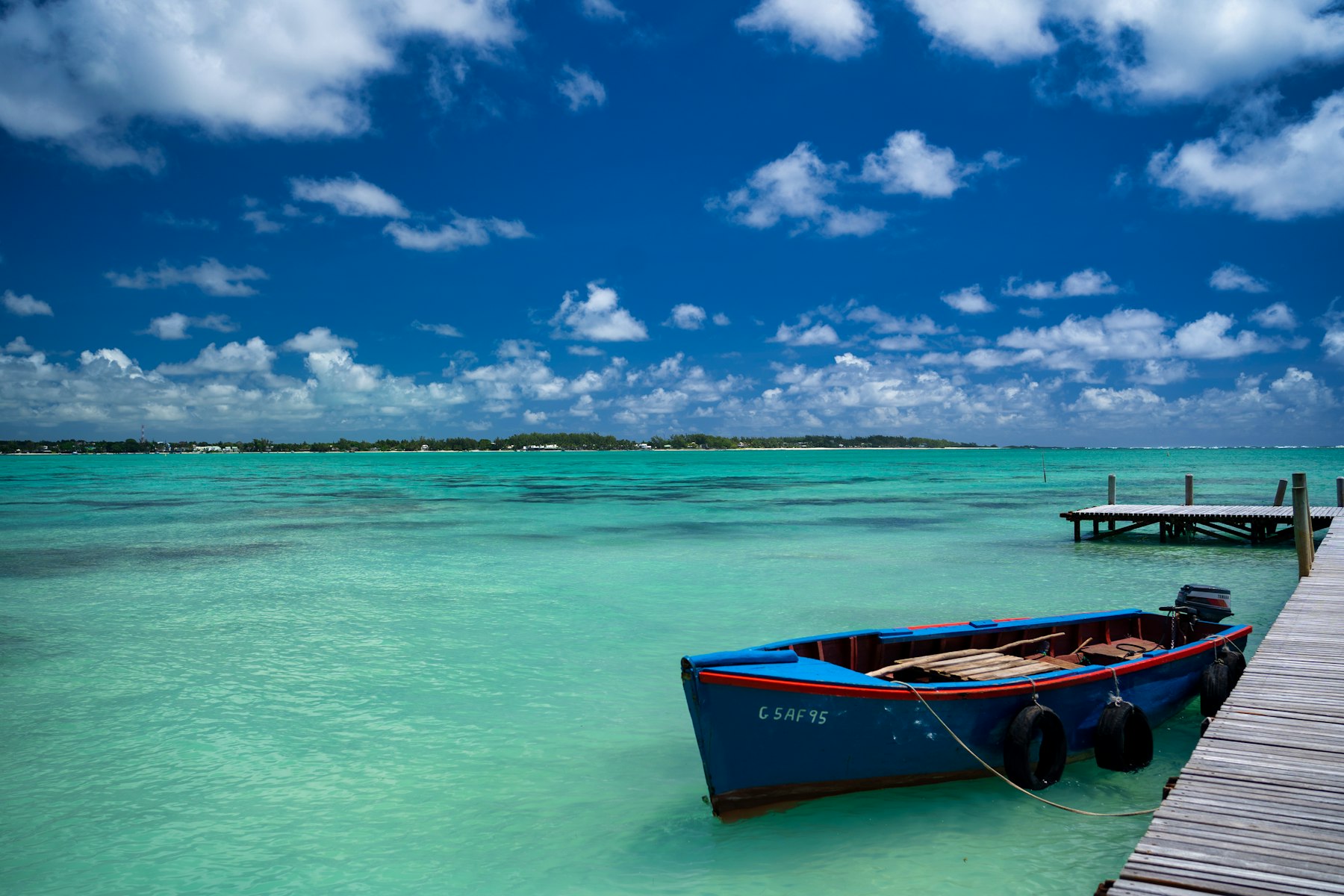
Almost the entire coast of Mauritius sits inside a barrier reef, which is why the water is calm and that colour. But the four coasts are not interchangeable. Wind, shade, depth and crowds vary enormously, and choosing badly is the most common mistake visitors make.
North: convenient and busy
Trou aux Biches, Mont Choisy, Pereybere. Shallow, calm, sheltered, with the most developed strip of restaurants and shops behind them, and the best public transport on the island.
Best for: first trips, no car, families with small children, anyone who wants to walk to dinner.
Worst for: solitude. These are the busiest beaches in the country, especially at weekends.
West: sunsets and flat water
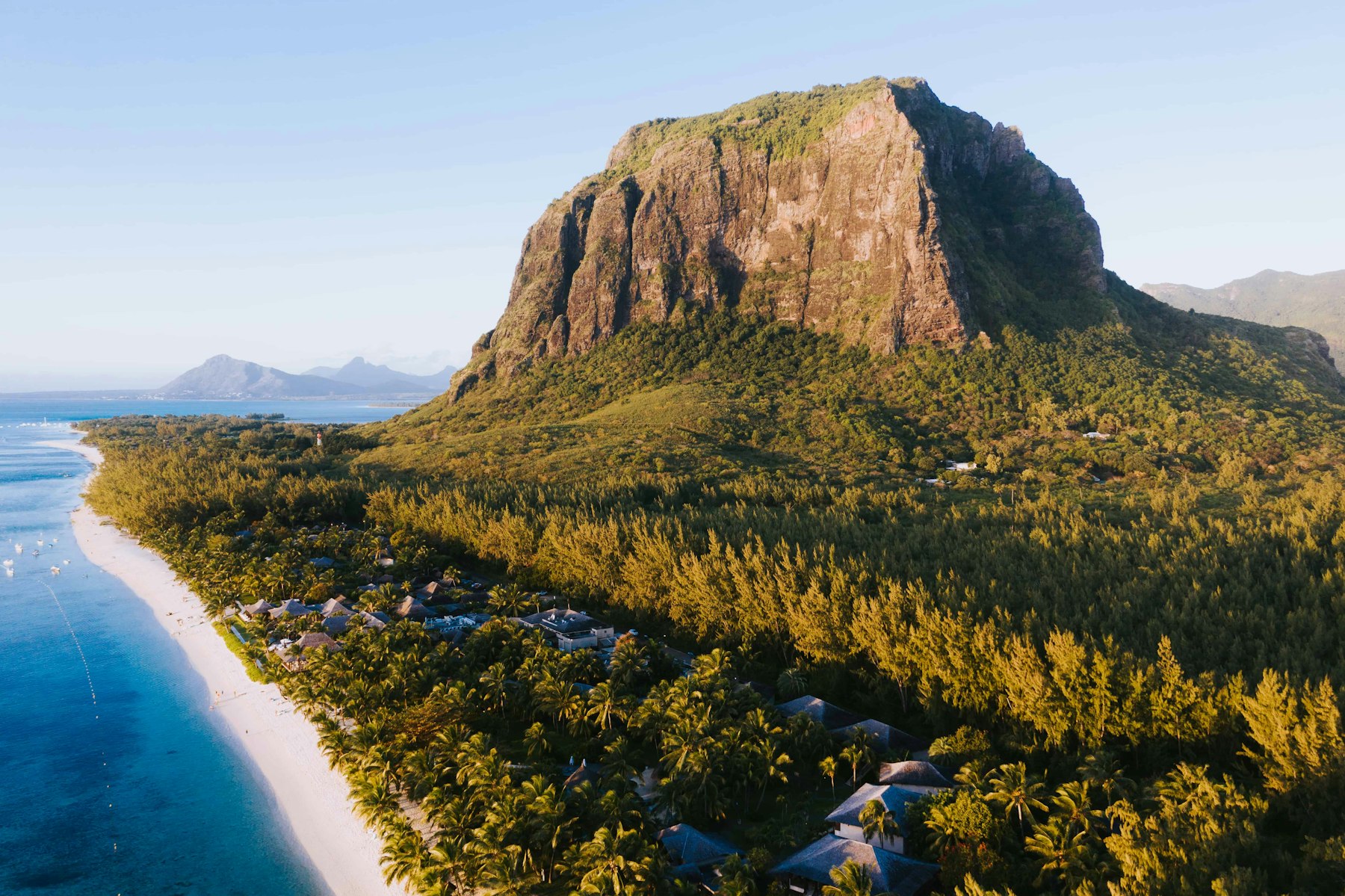
Flic en Flac, Tamarin, Le Morne. The sheltered side, with the calmest lagoon between November and April and the only coast that faces the sunset over open water.
Best for: swimming, sunsets, snorkelling, kitesurfing at Le Morne specifically.
Worst for: shade, which is limited on the longer stretches.
East: windy, green and quiet
Belle Mare, Palmar, Trou d'Eau Douce. Longer and emptier beaches with better sand than the north, and noticeably more wind year round.
Best for: space, wind sports, anyone who found the north too busy.
Worst for: still afternoons. The trade winds hit this coast first, and there is little within walking distance of most of it.
South: dramatic and mostly not for swimming
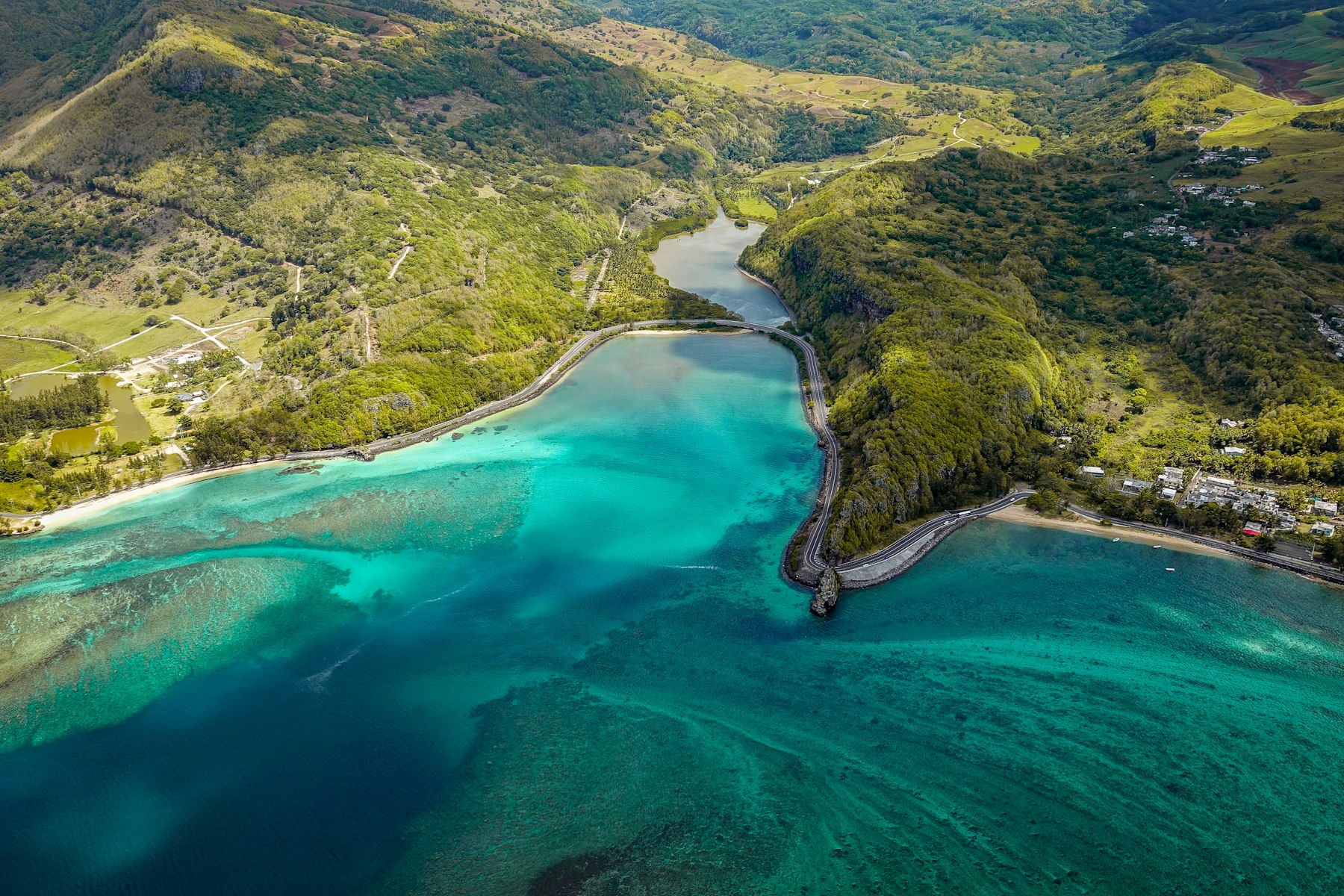
Gris Gris, Le Souffleur, the cliffs near Souillac. This is where the reef stops, so the open Indian Ocean hits the coast directly. It is the most spectacular part of the island and the least swimmable.
Best for: walking, photography, weather.
Worst for: getting in the water. Take the warning signs seriously - there is no reef here and the currents are genuine.
The rules that hold most of the year
- Wind builds through the day. Flat water is a morning phenomenon almost everywhere.
- Want flat water in the afternoon? Go west. It is the sheltered side.
- Want space? Go east or south, and accept you will need a car.
- Public beaches are genuinely public. Hotels cannot own the foreshore, so the good stretches are open to everyone. Look for the casuarina trees - that is where the shade and the parking are.
- Weekends belong to local families, which is a pleasant thing to be part of and a busy one to plan around.
One practical warning
Stonefish exist in Mauritian lagoons. They are rare, well camouflaged and sit on sandy or rocky bottoms. Reef shoes solve the problem entirely and cost very little. Do not walk barefoot over rock or coral rubble in shallow water.